
Introduction
A complete cosmetic application that highlights and accentuates the face’s inherent features is called full makeup.
It creates a professional balanced and long-lasting look by combining a number of cosmetic products and procedures. For everyday wear weddings parties professional events fashion presentations stage performances or photo shoots full makeup can be tailored. The skin type face shape personal tastes and occasion all influence the goods and methods utilized.
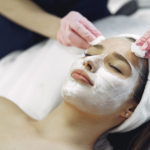
Skin Preparation
Preparing the skin is the first stage in applying complete makeup. After cleansing the face to get rid of debris and extra oil a moisturizer should be used to keep the skin hydrated. After that a primer is used to produce a smooth base reduce the visibility of pores and prolong the wear of makeup.
Foundation
In addition to providing a smooth foundation for the remainder of the makeup foundation is utilized to achieve an even skin tone. It comes in stick and liquid cream powder forms.
The makeup will seem natural and blend in perfectly with the neck and chest if the right hue and undertone are chosen.
Concealer
After foundation concealer is applied to mask defects including as scars redness acne and dark circles. Additionally it illuminates the area beneath the eyes and makes the face look refreshed and new.
Color Correction
To counteract skin darkening color correcting is an optional step. Lavender correctors brighten dull or yellow complexion peach or orange correctors hide dark circles and green correctors lessen redness. Before using concealer and foundation this procedure helps create a perfect complexion.
Setting Powder
Setting powder seals cream products into place and avoids creasing and shine. It increases the endurance of make up and gives the skin a smooth finish. Loose powder is usually used for a lightweight effect while pressed powder is perfect for quick touch-ups.
Contouring
By defining the facial structure with shadows contouring gives the face more depth. To give the cheekbones jawline temples and sides of the nose a more sculpted and balanced appearance it is frequently applied to these areas.
Highlighting
By reflecting light highlighting accentuates the facial high points. To achieve a healthy radiant glow highlighter is typically applied to the inner corners of the eyes the bridge of the nose the brow Cupid’s bow, and the tops of the cheekbones.
Blush
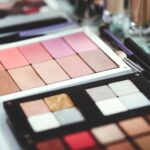
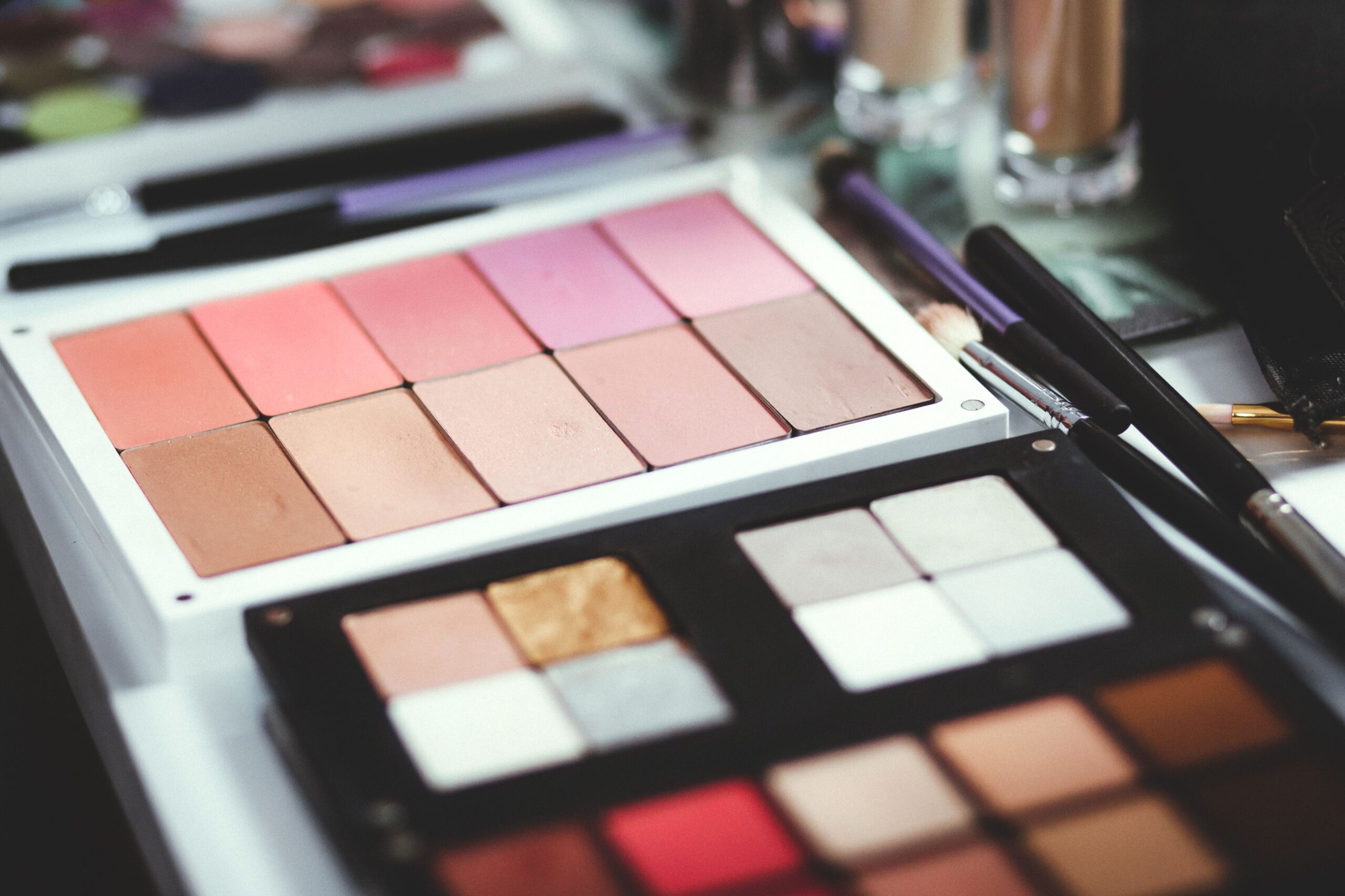
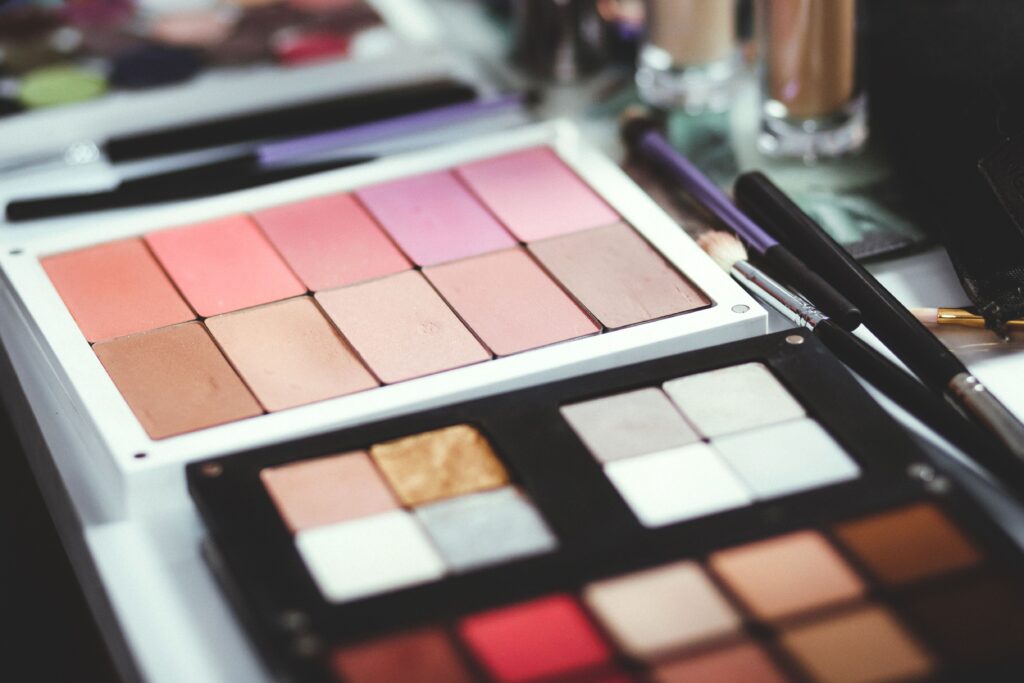
Blush gives the cheeks color and freshness giving the face a vivid, healthy appearance. It comes in a range of hues to accommodate various skin tones and is offered in powder cream liquid and gel forms.
Eyebrow Makeup
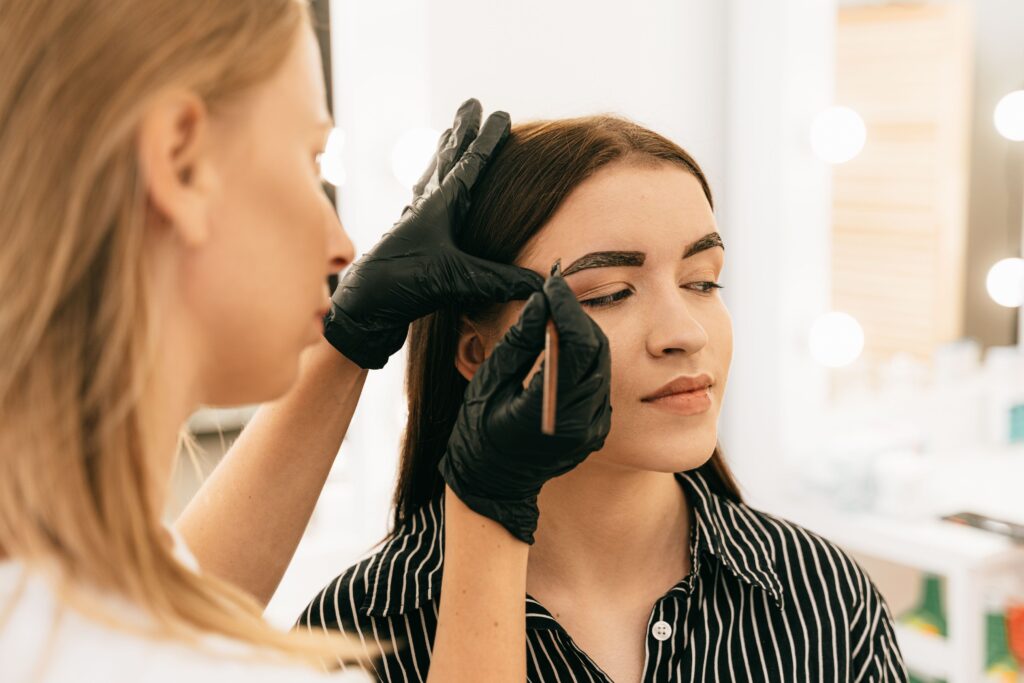
The equilibrium of the face is enhanced and the face is framed by well-formed eyebrows. Pencils powders pomades gels or brow pens can be used to define and fill eyebrows, giving them a bold or natural look.
Eye Makeup
One of the most intricate aspects of complete make up is eye make up. To create depth and complexity one or more eyeshadow shades are typically applied after an eyeshadow primer. While brighter or darker hues are frequently employed for glamorous ensembles neutral hues are appropriate for daily wear.
Eyeliner
The eyes’ form is defined by eyeliner which also gives them a larger more expressive appearance. Felt tip or pencil gel liquid solutions can be used to apply it. Smoky eyeliner and natural lines winged eyeliner are popular eyeliner styles.
Mascara and False Eyelashes
Mascara makes the eyes shine out by thickening the lashes and lengthening the curls. Many women also use lash extensions or artificial eyelashes to look larger for a more dramatic impression.
Lip Makeup
The entire appearance is finished with lip make up. Lipstick offers color lip gloss adds shine lip balm keeps the lips hydrated and lip liner defines the contour of the lips. A range of styles are possible with different finishes like glossy and matte satin cream.
Setting Spray
Setting spray is the final step in full make up. It helps keep make up in place for several hours reduces the appearance of powder and gives the skin either a matte or radiant finish depending on the formula used.
Types of Full Makeup
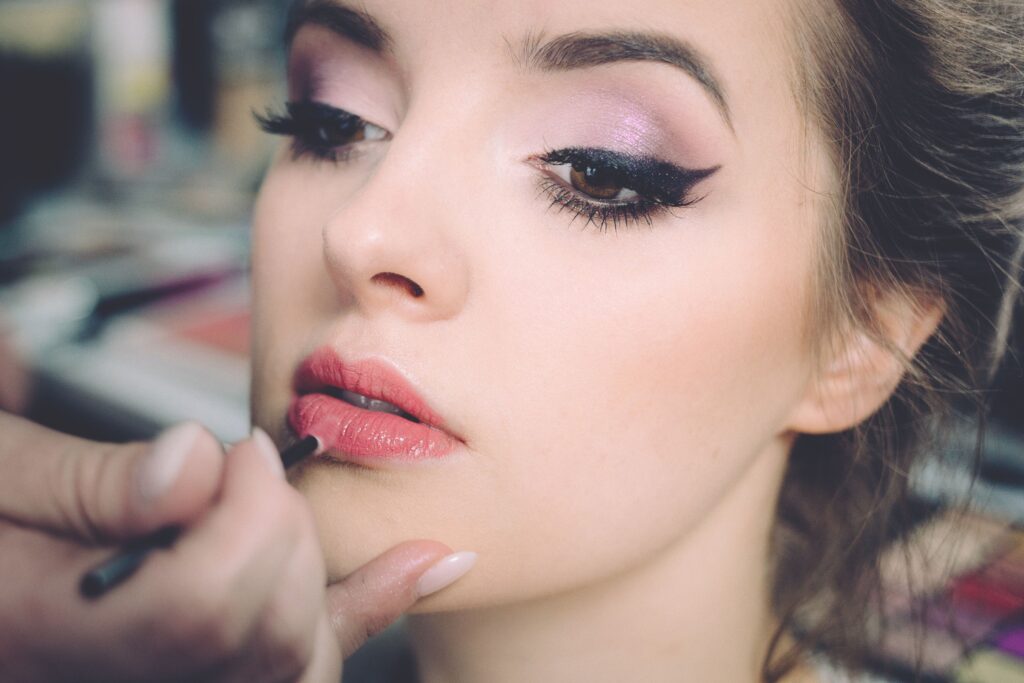
Full make up comes in a variety of styles. Natural full make up uses light coverage and gentle hues to accentuate facial characteristics. Bold eyes dramatic lashes defined contours and vivid lips are characteristics of glam makeup. Bridal make up emphasizes style and durability for weddings. Stage make up is intended to be noticeable under strong lights but editorial make up is imaginative and artistic.
Makeup Tools
The proper equipment are needed for professional makeup application such as foundation brushes powder brushes blending brushes make up sponges powder puffs eyelash curlersand tweezers. Maintaining hygiene and avoiding skin irritation are two benefits of routinely cleaning these instruments.
Choosing the Right Products
It’s crucial to choose products based on your skin type. Dry skin needs moisturizing products while oily skin benefits from matte and oil-free formulas. Before using new goods people with sensitive skin should conduct patch tests and select moderate fragrance-free cosmetics.
Benefits of Full Makeup
Complete makeup accentuates facial characteristics boosts self-esteem produces a polished image and makes people appear camera ready for important events and photos. Additionally, it enables people to showcase their individuality and inventiveness.
Conclusion
A full makeup regimen includes skincare preparation foundation concealer contour highlight blush eyebrow make up eye make up lip products and finishing procedures. Full makeup enhances natural beauty and enables people to create a look that represents their confidence and personality style, whether for everyday wear or special occasions.
FAQ
How to start makeup?
Wash your face with a gentle cleanser to remove dirt and oil before applying makeup.
What goes first for makeup?
Skincare comes first. Cleanse moisturize and apply primer before foundation for a smooth long-lasting makeup base.