
Introduction
Good general care and grooming are indicated by healthy hair. The proper hair care regimen can greatly increase the strength gloss and appearance of hair even though heredity plays a part in defining hair type and texture. Regardless of the type of hair you have straight wavy curly or coily a regular regimen can help prevent damage, lower hair loss and promote healthy development. The ideal hair care regimen is described in detail in this handbook.
Understanding Your Hair Type
Knowing your hair type is crucial when selecting products or developing a routine. Hair normally falls into four categories straight wavy curly and coily. It can also be normal oily dry or fine medium or thic. Choosing the right shampoos conditioners and style products is made easier when you are aware of your hair type.
For instance dry or curly hair benefits from additional moisture whereas greasy hair may need to be washed more frequently. Fine hair needs lightweight treatments whilst thick hair frequently need heavier conditioners.
Step 1: Wash Your Hair Properly
Washing your hair gets rid of product buildup extra oil sweat and dirt. However frequent washing can remove natural oils from the hair care leaving it dry and fragile.
Washing their hair two or three times a week is beneficial for most people. People with dry or curly hair may need to wash less frequently than those with greasy scalps.
As hot water can weaken hair care strands and dry up the scalp use lukewarm water instead. Use your fingertips to gently massage the scalp after applying shampoo. Don’t use your nails to scratch your scalp.
Step 2: Choose the Right Shampoo
Maintaining healthy hair requires careful shampoo selection.
- Use a clarifying or balancing shampoo for oily hair.
- Dry hair Choose a hydrating shampoo.
- Use moisturizing, sulfate-free products for curly hair.
- Choose shampoos that are safe for color-treated hair.
- Look for elements that strengthen damaged hair such proteins or keratin.
If your hair is chemically treated or naturally dry stay away from shampoos that include harsh sulfates.
Step 3: Never Skip Conditioner
Conditioner minimizes knots smoothes the hair cuticle and replenishes moisture.
Unless the product expressly calls for scalp application, apply conditioner from the mid-lengths to the ends rather than directly onto the scalp. Rinse with cool or lukewarm water after leaving it on for two to five minutes.
After each wash applying conditioner maintains hair care manageable and silky while reducing breakage.
Step 4: Dry Hair Gently
Compared to dry hair wet hair is more brittle. Frizz and breakage can result from rough towel drying.
Instead:
- Squeeze out extra water gently.
- Use a microfiber towel or a soft cotton T-shirt to pat dry your hair.
- Steer clear of aggressive rubbing.
- Whenever possible, let your hair air dry.
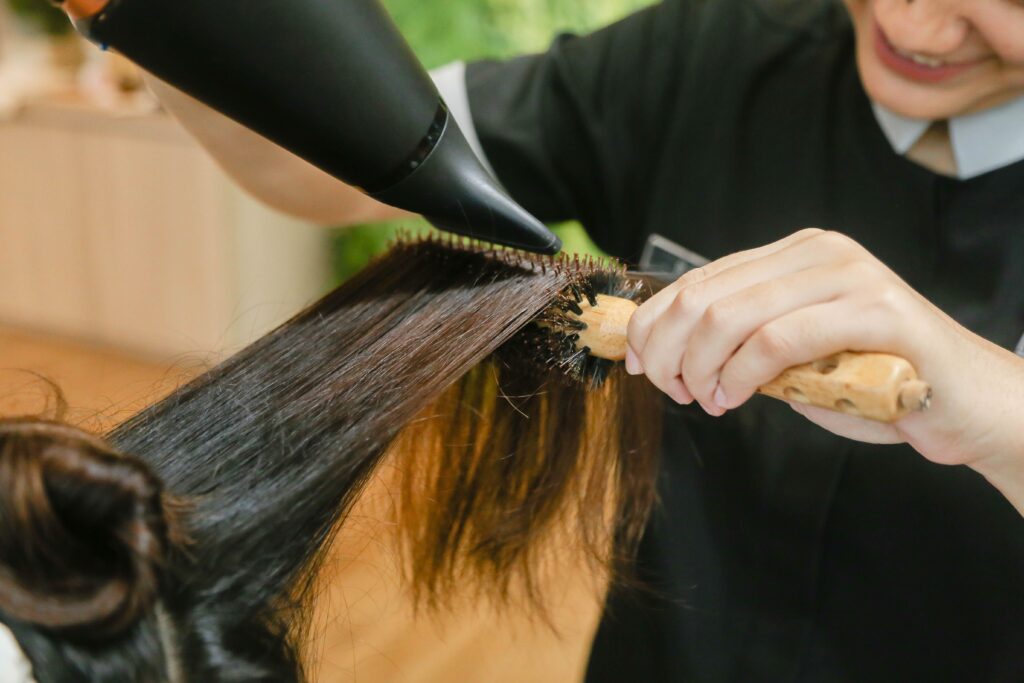
If you use a blow dryer keep it away from your hair and set it to low to medium heat.
Step 5: Use Heat Styling Carefully
By degrading the protein structure of hair care frequent use of straighteners, curling irons, and hot blow dryers can cause damage.
Before using any heated styling tool:
- Use a lotion or spray that protects against heat.
- Make use of the lowest temperature that works.
- Don’t do heat styling more than a couple times a week.
Giving your hair regular pauses from heat helps retain its natural strength and flexibility.
Step 6: Oil Your Hair Regularly
Hair oiling nourishes the scalp reduces dryness and adds shine.
Popular oils include:
- Oil from coconuts
- Argan oil
- Jojoba oil
- Olive oil
- Almond oil
Once or twice a week massage a tiny bit of oil into your hair and scalp. Before shampooing let it on for one to two hours or overnight.
Avoid using too much oil because it can attract dirt and necessitate more thorough cleaning.
Step 7: Deep Condition Weekly
Intense hydration and hair restoration are provided by a deep conditioning treatment.
Use a hair mask once a week if your hair is:
- Dry
- Color-treated
- Heat-damaged
- Curly
- Frizzy
Leave the mask on according to the instructions usually 10–20 minutes, before rinsing thoroughly.
Step 8: Protect Hair While Sleeping
Nighttime care is often overlooked but plays an important role in preventing hair care damage.
To protect your hair:
- Sleep on a silk or satin pillowcase.
- Tie long hair in a loose braid or ponytail.
- Avoid sleeping with soaking wet hair.
These habits reduce friction tangles and breakage.
Step 9: Eat a Healthy Diet
Healthy hair starts from within. Hair needs nutrients to grow strong and remain healthy.
Include foods rich in:
- Protein (eggs fish chicken beans)
- Iron (spinach lentils)
- Omega-3 fatty acids (salmon walnuts)
- Vitamin C (oranges strawberries)
- Vitamin D
- Zinc
- Biotin-rich foods
Drink enough water throughout the day to maintain scalp hydration.
Step 10: Trim Hair Regularly
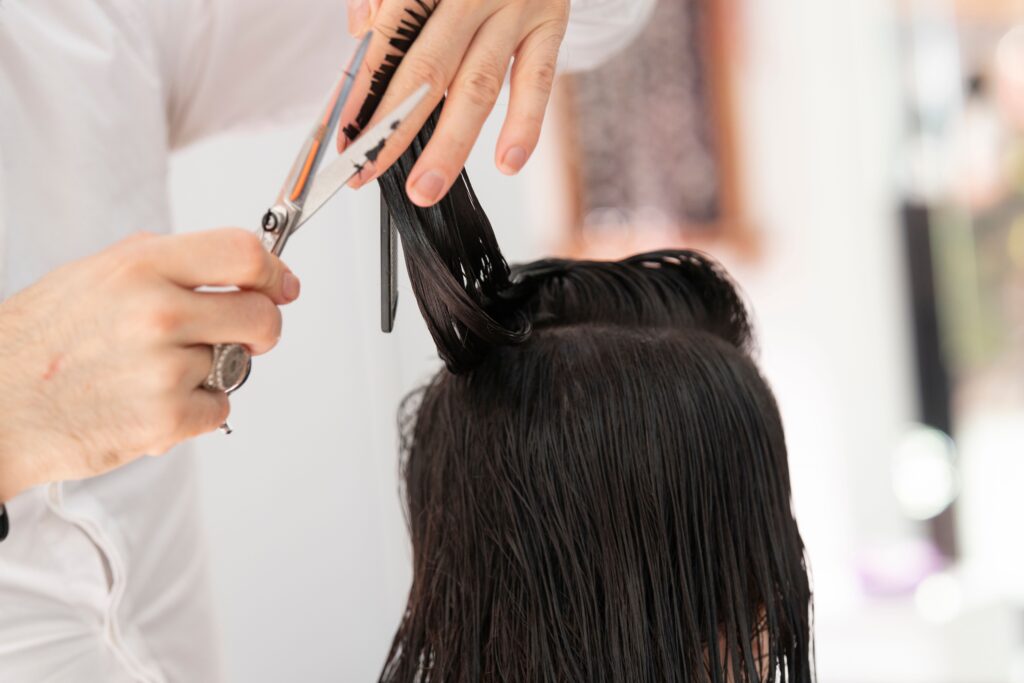
Regular trims remove split ends before they travel further up the hair shaft.
Most people benefit from trimming their hair every six to eight weeks although those growing their hair long may trim less frequently if the ends remain healthy.
Trimming does not make hair care grow faster but it helps maintain healthier-looking hair.
Step 11: Protect Hair from Environmental Damage
Sunlight pollution wind chlorine and saltwater can damage hair.
Protect your hair by:
- Wearing a hat in strong sunlight.
- Rinsing hair before and after swimming.
- Using leave-in conditioners with UV protection.
- Washing away pollution and sweat after outdoor activities.
Environmental protection keeps hair care smoother and prevents dryness.
Step 12: Avoid Harmful Habits
Certain habits can seriously damage hair over time.
Avoid:
- Tight hairstyles that pull on the roots.
- Excessive bleaching or chemical treatments.
- Frequent coloring.
- Brushing wet hair aggressively.
- Using dirty brushes and combs.
- Applying too much styling product.
Treat your hair gently to minimize unnecessary stress.
Recommended Weekly Hair Care Routine
A balanced weekly schedule can make hair care easier.
Monday: Shampoo conditioner and air dry.
Wednesday: Light scalp massage with a few drops of oil.
Friday: Shampoo conditioner and apply a leave-in conditioner.
Sunday: Deep conditioning mask gentle detangling, and trim split ends if needed.
Adjust the schedule based on your hair type and lifestyle.
Common Hair Care Mistakes
Many people unknowingly damage their hair through everyday habits.
Some common mistakes include:
- Washing hair too often.
- Skipping conditioner.
- Using excessive heat.
- Choosing products unsuitable for your hair type.
- Ignoring scalp health.
- Over-brushing.
- Neglecting regular trims.
- Using harsh chemicals too frequently.
Correcting these habits can significantly improve hair quality.
Tips for Different Hair Types
Oily Hair
Wash more frequently using a gentle balancing shampoo. Avoid heavy oils near the scalp.
Dry Hair
Focus on moisturizing shampoos rich conditioners weekly hair masks and nourishing oils.
Curly Hair
Use sulfate-free products detangle with a wide-tooth comb and maintain moisture with leave-in conditioners.
Fine Hair
Choose lightweight products that add volume without weighing hair down.
Thick Hair
Use hydrating conditioners and divide hair into sections during washing and styling for better product distribution.
Conclusion
The ideal hair care regimen is one that is appropriate for your hair type takes into account your unique issues and is regularly followed. Gentle cleansing appropriate conditioning regular moisturizing balanced nutrition, protection from heat and environmental damage and excellent daily habits are all necessary for healthy hair not just the use of pricey products. Over time you can experience stronger shinier and healthier hair by knowing what your hair requires and sticking to a straightforward regular routine. It often takes weeks or months to see obvious gains but the effort is well worth it so patience is crucial.